
If you've seen a novated lease calculator spit out a bigger saving for an EV than you expected, the FBT exemption is almost always why. It's a genuinely unusual piece of tax policy, and understanding how it works makes it much easier to judge whether a novated lease actually stacks up for you. Here's the mechanics, in plain English, as they stand in 2026.
What FBT is, and why cars usually attract it
Fringe Benefits Tax is what your employer pays when they give you a non-cash benefit as part of your remuneration, a car being the classic example. A novated lease is exactly that: your employer takes on the lease and running costs, and pays for them out of your salary before income tax is calculated. Without an exemption, that arrangement would trigger FBT, and your employer would typically pass that cost back to you as a post-tax "employee contribution", eating into the pre-tax saving that makes salary packaging worthwhile in the first place.
Why EVs get a full exemption
Eligible electric vehicles are carved out of FBT entirely under a dedicated exemption introduced in 2022 to make EVs cheaper to access through an employer. No employee contribution is needed to avoid an FBT liability, so effectively all of your lease and running costs can be paid from pre-tax salary. That's what turns a novated lease from "a way to spread out payments" into "a genuine tax saving".
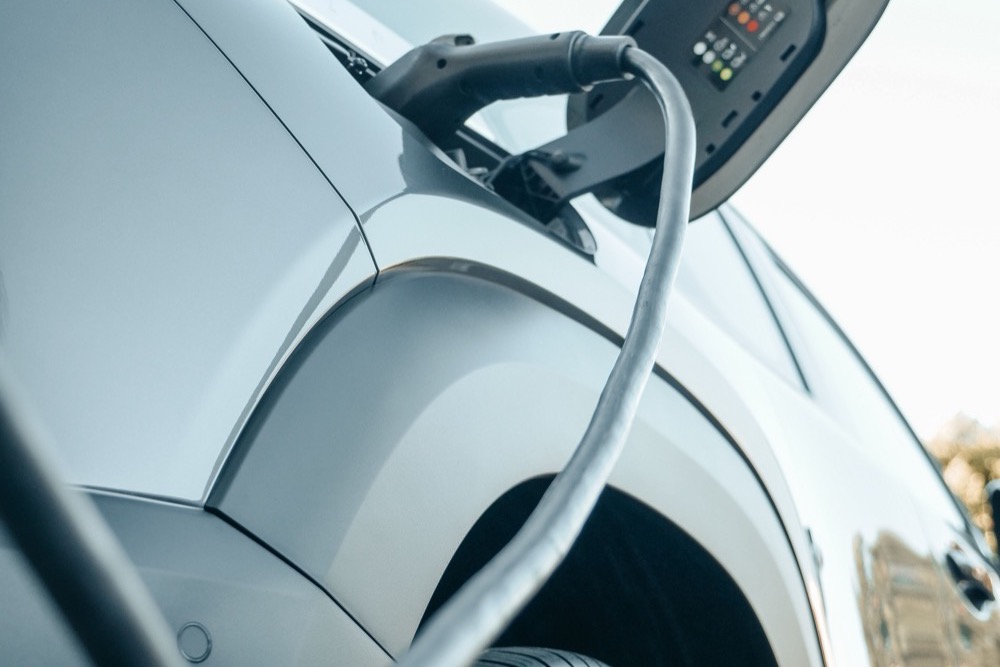
Where the actual saving comes from
The ATO calculates a car's FBT taxable value using a statutory formula: 20% of the car's price, regardless of how much you actually drive it. The exemption reduces (or, in Phase 1, completely zeroes out) how much of that taxable value your employer has to pay tax on. Less FBT liability means less needs to be clawed back from your post-tax pay, which means more of your salary can be packaged pre-tax instead, which is what lowers your taxable income and your income tax bill. It's an indirect saving, but a real one, and it compounds over every pay cycle of the lease term.
Who actually qualifies
- Vehicle type: battery electric vehicles (BEVs) and hydrogen fuel-cell vehicles (FCEVs) only. Plug-in hybrids lost their eligibility entirely from 1 April 2025.
- Price: the car has to be priced under the fuel-efficient luxury car tax threshold, around $91,661 for 2026–27. This is a hard cutoff for eligibility, separate from a different $75,000 figure that only matters once the exemption starts phasing down (more on that below).
- How it's provided: through an employer arrangement like a novated lease, not a car you buy outright yourself.
Where things stand right now, in 2026
We're currently in what's usually called "Phase 1": every eligible EV gets the full FBT exemption, for the entire term of the lease, right up until 31 March 2027. From 1 April 2027 the exemption starts phasing down in stages, and the price of the car starts to matter a lot more than it does today. We've covered that phase-down in full detail in a dedicated post, including the exact dollar thresholds and dates. If you're weighing up whether to sign sooner rather than later, this one walks through how to think about that decision, and this one covers what changes specifically for EVs priced above $75,000.
The mechanics above apply to every eligible EV, but the dollar value depends on your salary, the car's price, and your lease term. Our calculator runs the real ATO formulas so you can see your own figure.
Try the calculator →